
11 Signs It’s Time to Restore Your Landscape to Its Former Glory
Your outdoor space is an extension of your home, shaping first impressions and influencing how you enjoy your property every day. Over time, even well-designed landscapes can lose their structure, health, and visual appeal due to growth, weather, and changing needs. Recognizing when your yard needs professional attention allows you to restore balance, beauty, and function before small issues turn into larger problems. Working with experienced landscaping companies helps homeowners reimagine tired spaces, improve long-term sustainability, and protect property value through thoughtful design and ongoing care.
1. Clear Signs Your Landscape Has Become Overgrown
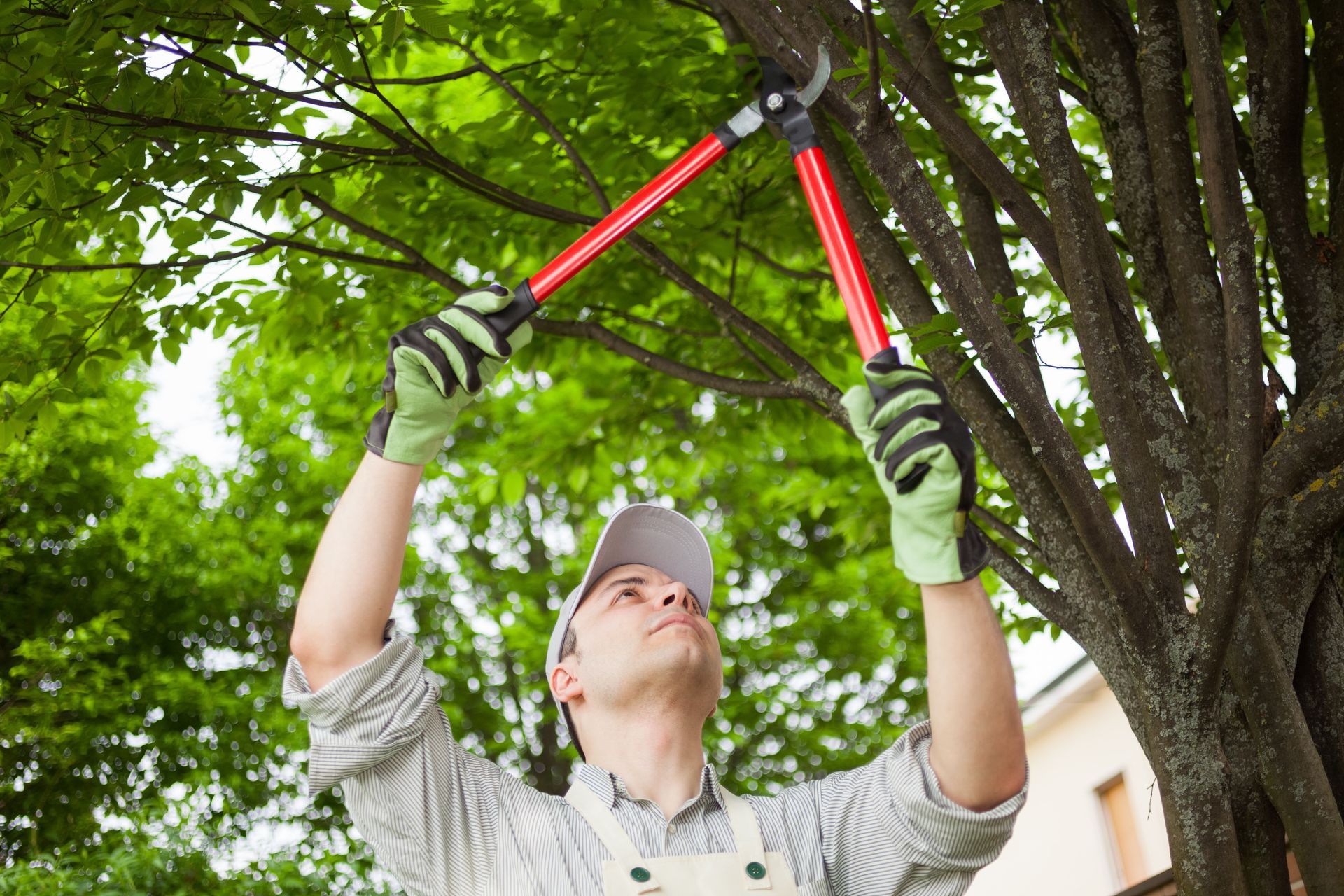
Plants that are obviously overgrown are often the most obvious indicator that your landscape needs restoration. Shrubs spilling over walkways, trees crowding structures, and beds losing definition can make your property feel chaotic instead of welcoming. Without consistent trimming and shaping, growth quickly becomes unmanageable and unsafe.
Excessive growth also blocks sunlight, leading to thinning grass and uneven lawn coverage. Areas that once thrived may struggle, creating patchy sections that detract from curb appeal. Professional landscaping companies understand how to restore balance by selectively pruning and reestablishing healthy growth patterns.
In severe cases, invasive roots can damage hard surfaces, irrigation lines, or foundations. Addressing these issues early prevents structural damage while bringing your landscape back under control.
2. Warning Signs of Failing Hardscape Elements
Hardscape features such as patios, walkways, and retaining walls naturally wear down over time. Cracks, shifting stones, or uneven surfaces not only look unappealing but can also become safety hazards for residents and guests.
Sun exposure and moisture cause fading, warping, and surface erosion, making once-beautiful spaces appear neglected. Restoring or replacing these features helps unify the landscape and improve functionality for everyday use.
Reliable landscaping companies assess how hardscapes interact with soil, drainage, and plant life, ensuring repairs improve both durability and visual flow throughout your outdoor space.
3. Indicators Your Landscape Design Is Outdated
Landscape styles evolve, and designs that once felt fresh may no longer suit modern lifestyles. Limited seating areas, inefficient layouts, or unused sections can signal that your yard no longer aligns with how you live today.
Outdated plant selections may require excessive water or maintenance, creating unnecessary expense and frustration. Updating designs with native or climate-appropriate plants improves sustainability and long-term success.
Professional landscaping companies help homeowners transition outdated layouts into functional, attractive spaces that reflect current preferences while increasing overall property appeal.
4. Declining Lawn and Plant Health Concerns
Yellowing grass, thinning turf, and struggling plants often indicate deeper issues with soil quality, irrigation, or nutrient balance. These problems tend to worsen without targeted intervention.
Pest infestations and recurring plant diseases are additional signs that the landscape ecosystem is out of balance. Addressing these concerns requires more than surface treatments; it takes informed planning and ongoing care.
According to HomeGuide, landscaping projects can cost a few hundred to several thousand dollars, showing that professional solutions can scale to meet both minor corrections and major restorations.
5. Environmental Stress and Seasonal Damage
Changing climate conditions place new demands on outdoor spaces. Heat stress, drought, flooding, and unpredictable storms can quickly overwhelm landscapes not designed for resilience.
Incorporating drought-tolerant plants, efficient irrigation, and proper drainage reduces long-term damage and maintenance demands. These adjustments help landscapes recover faster from seasonal extremes.
Experienced landscaping companies anticipate environmental challenges and design solutions that protect plant health while maintaining visual appeal throughout the year.
6. Noticeable Loss of Curb Appeal
When your landscape looks tired or neglected, it affects how others perceive your entire property. Curb appeal plays a major role in both daily enjoyment and resale value.
Potential buyers often associate poor landscaping with deferred maintenance elsewhere, even if the home interior is well cared for. A refreshed yard helps create confidence and emotional connection.
Landscaping companies specialize in restoring cohesion and polish, transforming outdoor spaces into assets that enhance both pride of ownership and marketability.
7. Poor Drainage and Standing Water Issues
Puddling water, soggy turf, or erosion after rainfall indicates drainage problems that can undermine both plant health and structural stability. Left unaddressed, excess moisture encourages root rot, mold, and insect activity.
Improving grading, adding drainage solutions, and reshaping landscape contours can restore balance and prevent recurring damage. These upgrades also help protect walkways, patios, and foundations.
Addressing drainage concerns early keeps restoration costs manageable and ensures your outdoor space remains functional year-round.
8. Inefficient or Outdated Irrigation Systems
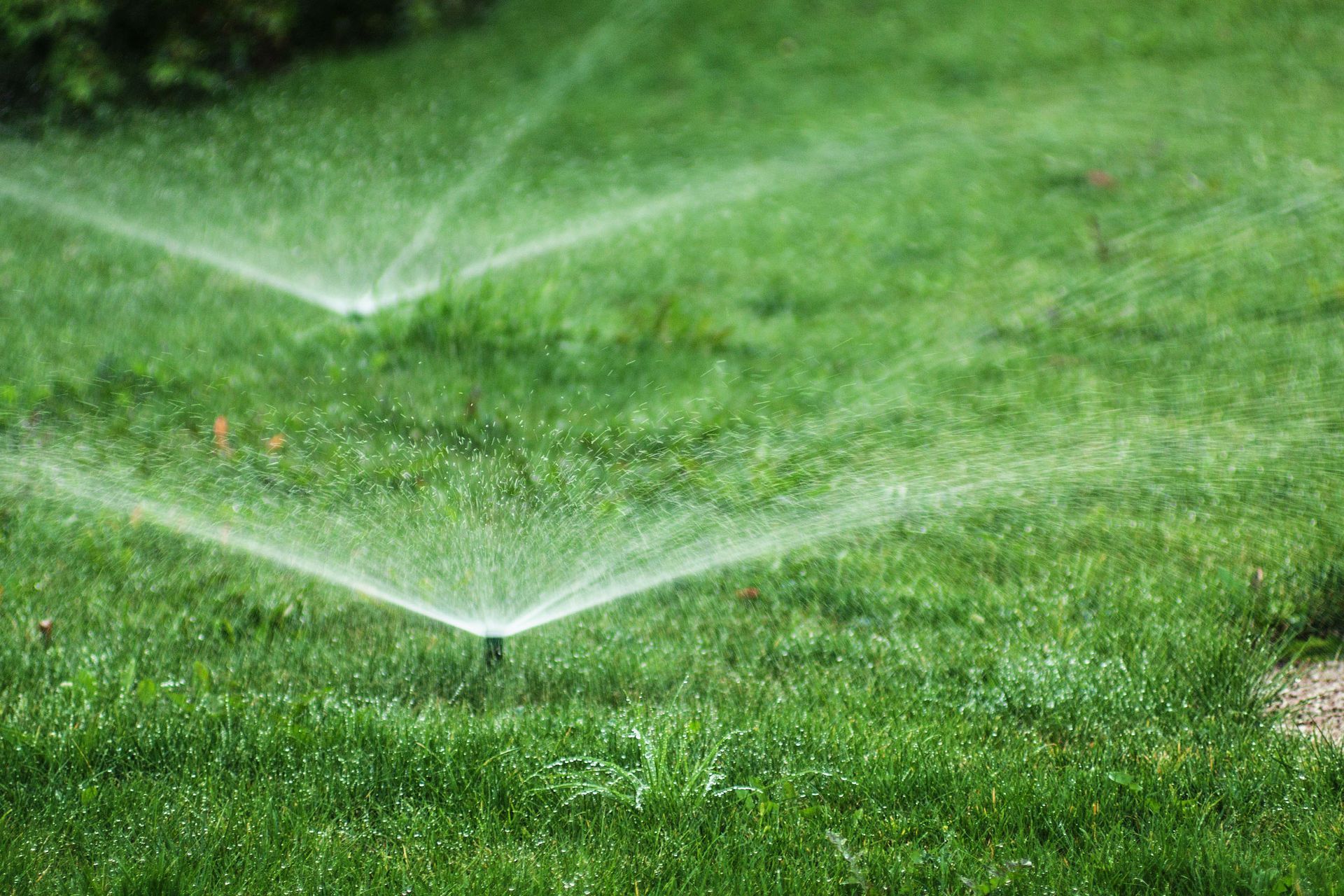
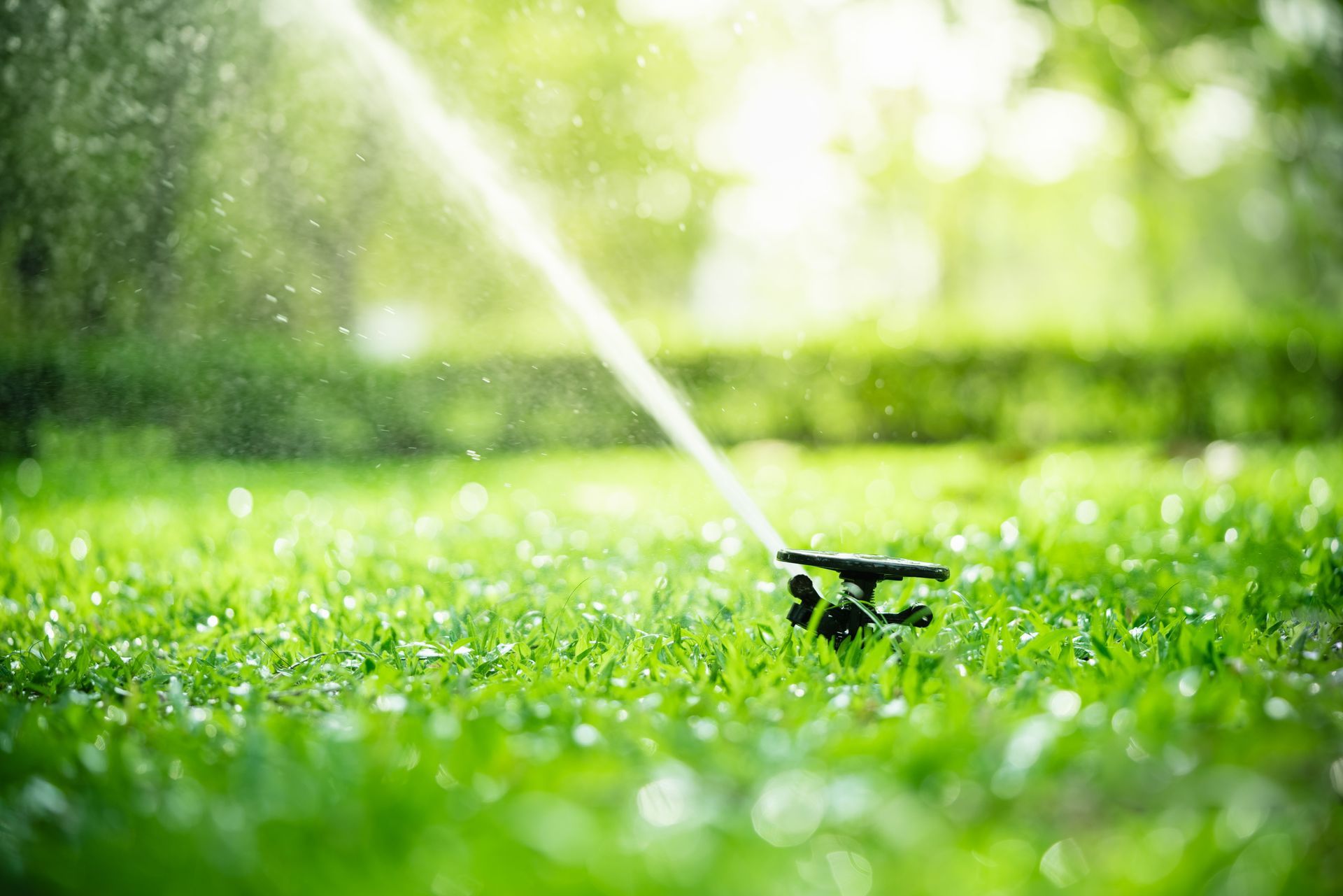
Aging irrigation systems that deliver uneven coverage or waste water can quietly damage your landscape while increasing utility costs. Dry patches and saturated areas often point to failing components.
Modern irrigation upgrades provide targeted watering that supports plant health while conserving resources. Efficient systems are especially important as climate conditions continue to shift.
Professional assessments help ensure irrigation works in harmony with plant selection and soil conditions.
9. Outdoor Safety and Accessibility Problems
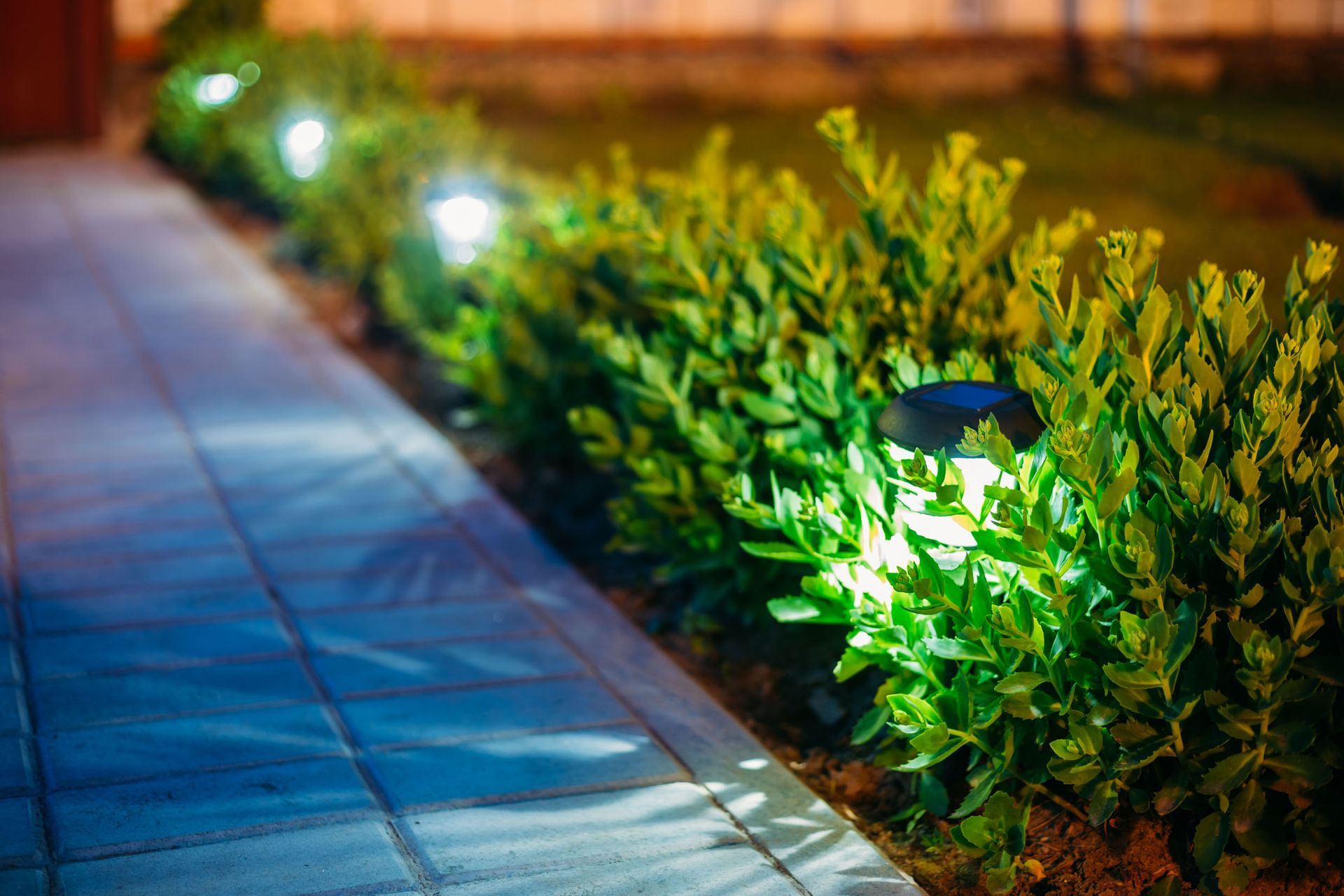
Uneven paths, overgrown edges, and poorly lit areas can limit how safely and comfortably you use your outdoor space. For children, older adults, and guests, these are larger issues.
Restoration efforts can include leveling walkways, improving visibility, and creating clearer transitions between spaces. Thoughtful design enhances usability without sacrificing beauty.
Improving safety features also adds to overall property value and long-term livability.
10. Limited Outdoor Living Functionality
Landscapes that lack defined gathering areas or usable zones may feel underwhelming despite ample space. Without purpose-driven design, outdoor areas often go unused.
Creating zones for dining, relaxing, or entertaining encourages more frequent enjoyment of your yard. These updates help homeowners get more value from their outdoor investment.
Well-planned restoration turns unused space into a natural extension of your home.
11. Rising Maintenance Demands and Costs
When upkeep becomes time-consuming or expensive, it may signal that your landscape design is no longer efficient. High-maintenance plants and outdated layouts often drive these issues.
Simplifying plant choices and improving layout efficiency can dramatically reduce ongoing effort and expense. Restoration focuses on sustainability and long-term ease.
Landscaping companies help homeowners strike the right balance between visual impact and manageable maintenance.
Restoring your landscape is about more than aesthetics; it's about functionality, sustainability, and long-term value. Addressing overgrowth, outdated designs, environmental stressors, and usability issues allows your outdoor space to evolve alongside your needs. Strategic improvements create environments that are easier to maintain, more enjoyable to use, and better equipped to withstand changing conditions.
Thoughtful landscape restoration is an investment that pays off in daily enjoyment, long-term durability, and overall property appeal. When outdoor spaces are intentionally designed and professionally maintained, they support healthier plant growth, improved drainage, safer walkways, and more functional living areas. Well-planned updates can also reduce ongoing maintenance demands by replacing inefficient layouts and high-maintenance plants with sustainable alternatives that better suit your environment. Homeowners often find that proactive improvements prevent costly repairs down the road while creating a more cohesive and inviting setting for gatherings, relaxation, and everyday use. As needs change over time, having a landscape that adapts rather than deteriorates helps preserve both comfort and value. Professional insight ensures that each enhancement works together seamlessly, aligning aesthetics with performance and longevity. If your landscape is showing signs of decline or simply no longer fits your lifestyle, partnering with trusted landscaping companies can make all the difference by contacting Greenview Irrigation & Lawn Maintenance, LLC today.
Share On: