
How Irrigation Specialists Restore System Performance and Reliability
Reliable irrigation systems are essential for maintaining vibrant landscapes, protecting plant health, and supporting efficient water management across residential and commercial properties. When these systems function as intended, they deliver moisture evenly, reduce unnecessary water use, and encourage strong root development and healthy soil structure. When components fail due to age, environmental pressure, installation flaws, or material deterioration, an irrigation system can quickly become inefficient and problematic. Even minor disruptions often have large consequences. A single misaligned sprinkler head can allow once-lush grass to dry out. A small underground leak can lead to water pooling in inconvenient areas, cause fungal growth, or result in dramatically higher utility bills.
According to BobVila.com, homeowners can expect a sprinkler system to function for up to 20 years, but routine maintenance and professional care are necessary throughout that lifespan to ensure optimal performance. With consistent service from trained specialists, irrigation systems remain dependable, long-lasting, and environmentally responsible.
Identifying and Preventing Pipe and Leak Issues
Pipe and leak problems represent some of the most significant threats to an irrigation system's overall efficiency. Small leaks often develop in slow, subtle ways that homeowners might overlook for months. The first signals are usually small changes, such as damp soil in areas that should be dry, an unusual drop in pressure in one zone, or soft patches that indicate water pooling below the surface. Because most irrigation pipes are buried, these early signs are easy to dismiss until the damage becomes more visible.
Professional technicians rely on tools such as moisture meters, advanced pressure-testing equipment, and hydro-excavation tools to detect leaks precisely while minimizing disruption to surrounding landscaping. This level of accuracy ensures repairs are completed efficiently and prevents unnecessary digging or damage to lawns and garden beds. When pipes burst due to freezing temperatures or excessive internal pressure, the effects are more dramatic and often require immediate attention.
Preventing pipe issues depends on maintaining proper system pressure, ensuring timely winterization, and using high-quality materials during installation or upgrades. Seasonal inspections performed by trained professionals allow minor issues to be corrected long before they turn into emergencies. With routine care, irrigation pipes remain stable and efficient, preserving both water resources and landscape health.
Cleaning and Maintaining Sprinkler Heads
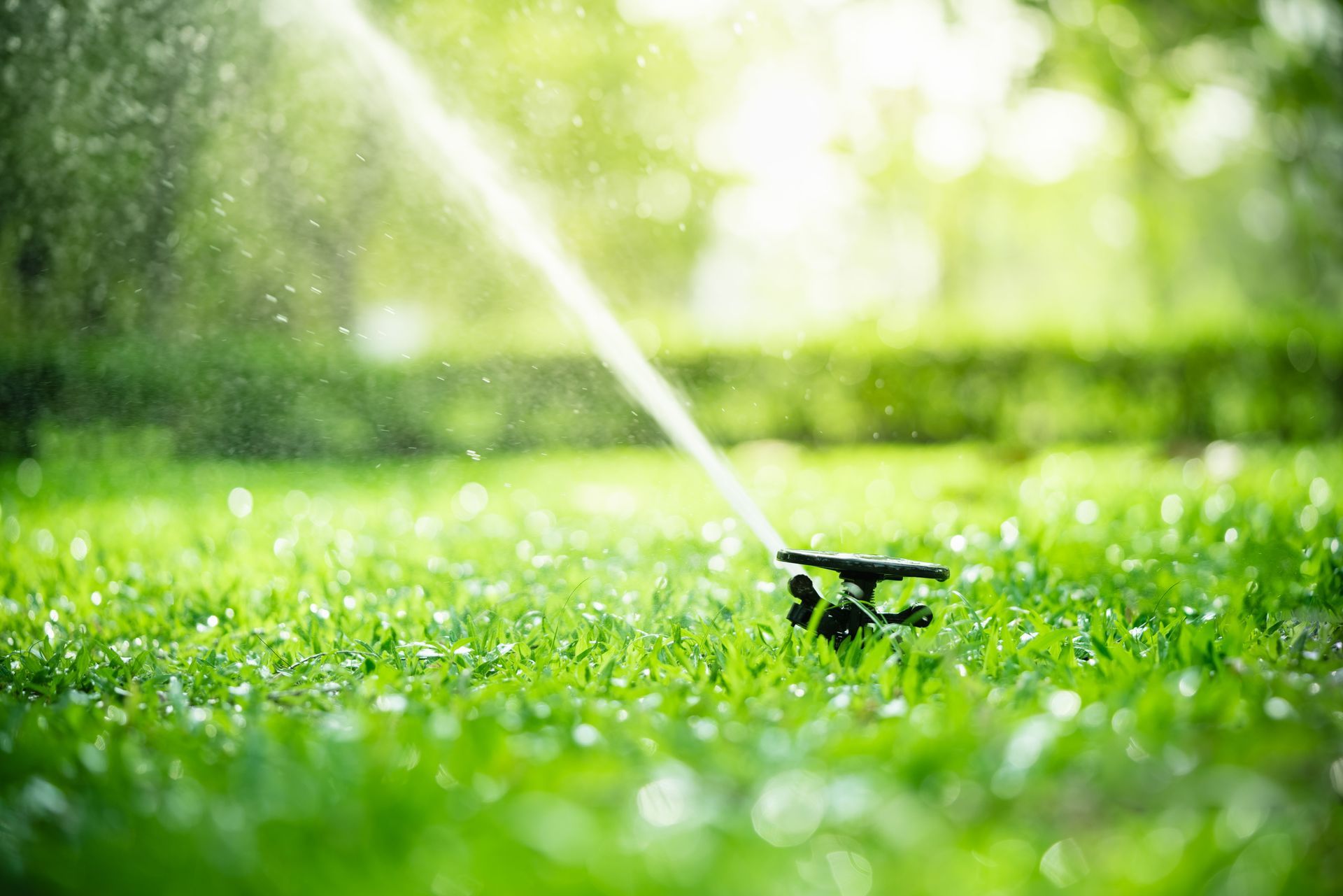
Sprinkler heads are responsible for delivering water in precise patterns, making them critical for achieving uniform coverage across lawns and planting beds. Over time, they collect soil, grass clippings, mineral deposits, and organic debris. When these materials accumulate, the resulting clogs cause uneven spray patterns, reduced water pressure, or unintended direction of water. Homeowners often notice dry patches in some areas and overly saturated sections in others, both of which disrupt the balance needed for healthy plant growth.
While simple rinsing may address very mild buildup, many clogs require advanced cleaning methods that only trained technicians can perform effectively. Professional equipment such as hydro-jetting systems, ultrasonic cleaning devices, and high-grade descaling solutions restore sprinkler heads to full function while preserving the delicate internal components.
A skilled irrigation specialist can also determine whether recurring clogs point to underlying concerns, such as poor filtration or hard water issues. Routine professional inspections at seasonal transitions allow sprinkler heads to remain clear, aligned, and calibrated.
Improving Water Coverage and Distribution
Uneven watering is one of the most common symptoms of a system that requires professional evaluation. Dry, brown patches often develop near overly saturated areas, signaling that water is not being distributed correctly. These issues may stem from misaligned sprinkler heads, obstructed spray paths created by plant overgrowth, or zones that were not properly spaced during installation.
Professionals evaluate distribution patterns using catch-can testing, flow analysis, and pressure readings to determine which areas are receiving too much or too little water. A slight adjustment of a sprinkler head's angle or height may correct the problem, but in other cases, more extensive reconfiguration is necessary. Specialists may relocate sprinkler heads, update zone layouts, or recommend more suitable equipment that better matches the landscape's shape and topography.
Many property owners also choose to improve water distribution by upgrading to smart irrigation technologies. These systems adjust watering schedules based on temperature, soil moisture, rainfall, and plant needs. By monitoring environmental changes, they ensure that landscapes receive consistent hydration without wasting water during wet or cool periods.
Diagnosing and Repairing Valve Malfunctions
Valves control the flow of water throughout irrigation zones, making them central to the system's overall function. When valves malfunction, they may prevent water from reaching a designated area or allow water to run continuously even when the system is turned off. Early indications of valve failure include unusual sounds near the valve box, inconsistent zone activation, or visible pooling around valve housings.
Automatic valves, which depend on electrical signals, can malfunction due to wiring issues, faulty solenoids, or internal wear. Manual valves typically fail due to aging components or repeated use. Irrigation specialists test electrical connections, examine wiring insulation, and inspect internal valve parts to identify the precise cause of the malfunction. Once diagnosed, the professional determines whether repair or replacement is the most reliable solution. Consistent inspections keep valves free from debris, insects, and moisture that can interfere with their operation, ensuring each zone receives water at the correct time and pressure.
Troubleshooting and Upgrading Controller Technology
Controllers function as the central management system for irrigation schedules, zone timing, and operational adjustments. When controllers malfunction due to programming errors, electrical interruptions, or internal component failure, water delivery becomes inconsistent or inefficient. Outdated controllers often lack the flexibility to adjust to seasonal shifts or respond to weather conditions, which leads to unnecessary water use and landscape stress.
Professionals diagnose controller issues by verifying the electrical output, checking grounding integrity, examining wiring pathways, and reviewing all programming settings. If the system is compatible with modern technology, technicians may also evaluate connectivity between sensors, Wi-Fi networks, and smart devices.
Restoring and Managing Water Pressure
Water pressure plays a major role in irrigation performance. When pressure is too low, sprinkler heads cannot distribute water evenly, resulting in weak spray patterns and inadequate coverage. When pressure is too high, water may atomize into a fine mist and drift away from the intended area, leading to waste and dry patches. Diagnosing pressure problems requires systematic evaluation because the cause may be internal, external, or related to the site's physical layout.
Irrigation professionals measure pressure at multiple points throughout the system to determine the source of the imbalance. Solutions may involve installing booster pumps, adjusting pressure-reducing valves, reconfiguring the layout of irrigation zones, or upgrading piping materials. Properties with significant elevation changes often require more complex strategies to maintain stable pressure throughout the landscape.
Irrigation systems perform best when they receive consistent professional care, timely repairs, and thoughtful upgrades that reflect the landscape's unique needs. When issues such as clogs, leaks, uneven watering, pressure fluctuations, or controller failures appear, addressing them quickly prevents long-term damage, protects plant health, and reduces unnecessary water waste. Professionals bring the expertise, tools, and diagnostic abilities needed to identify problems early and restore optimal system performance.
With routine maintenance and expert oversight, irrigation systems remain efficient, dependable, and capable of supporting thriving landscapes for many years. If your system is showing signs of distress or you want to strengthen its long-term reliability, schedule a service appointment with an irrigation professional today at Greenview Irrigation and Lawn Maintenance, LLC, and take a meaningful step toward a healthier and more resilient outdoor environment.

Share On: