

The Best Spots to Install Landscape Lighting for Maximum Impact
Exterior architecture often provides some of the most effective opportunities for nighttime illumination. Lighting around columns, stonework, entryways, retaining walls, and other distinctive details can bring attention to features that may disappear after sunset. Carefully positioned fixtures can create depth by emphasizing textures and shapes without making the property feel overly bright. A professional design can determine which architectural elements deserve attention and how illumination should interact with the rest of the property.
Architectural lighting can also help define the visual character of a home after dark. A well-positioned fixture can emphasize the height of a column, the texture of masonry, or the shape of a roofline without overpowering neighboring features. This approach gives the exterior more dimension and creates a stronger relationship between the house and surrounding landscape. When these elements are illuminated as part of a larger plan, the property can maintain a polished appearance from multiple viewing angles.
Illuminate Front Walkways
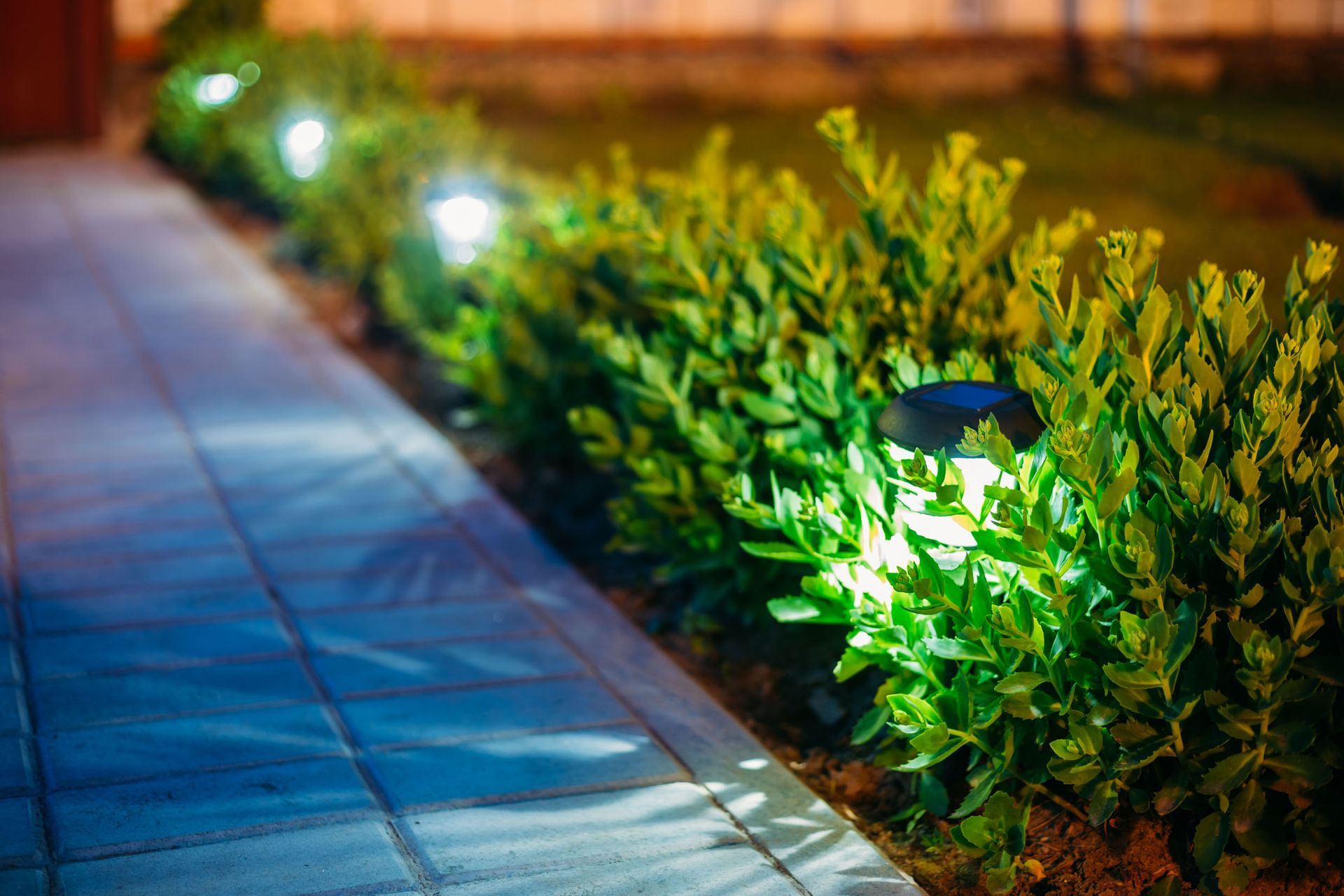
Walkways serve both a practical and visual purpose, making them an important location for outdoor illumination. Lights placed along paths can improve visibility for residents and guests while creating a welcoming route toward the front entrance. Spacing, brightness, fixture height, and positioning all influence whether the result feels balanced or distracting. Thoughtful placement can also connect separate areas of the property into a cohesive nighttime design.
Path illumination can be especially effective when it follows the natural movement of the property rather than forming a rigid line. Curved walkways, changes in elevation, garden borders, and intersections may require different approaches to maintain consistent visibility. Professional planning can account for these variations while preserving the landscape's natural appearance. The result is a pathway that feels inviting while still serving an important functional purpose.
Accentuate Trees and Plantings
Trees, shrubs, ornamental grasses, and other mature plantings can become striking focal points after dark. Uplighting can emphasize trunks and branches, while carefully directed fixtures can reveal the texture and shape of larger plants. Garden beds can also benefit from softer illumination that gives depth to layered vegetation. Highlighting established landscaping adds visual dimension and allows important features to remain part of the property's appearance after sunset.
Large trees can create especially dramatic effects because their branches provide height and natural structure. Smaller plants can be highlighted selectively to establish contrast between illuminated areas and darker portions of the garden. The objective is not to light every plant equally, but to identify vegetation that contributes meaningfully to the overall composition. This selective approach can make the landscape appear more dimensional while preserving a natural nighttime atmosphere.
Define Outdoor Living Areas
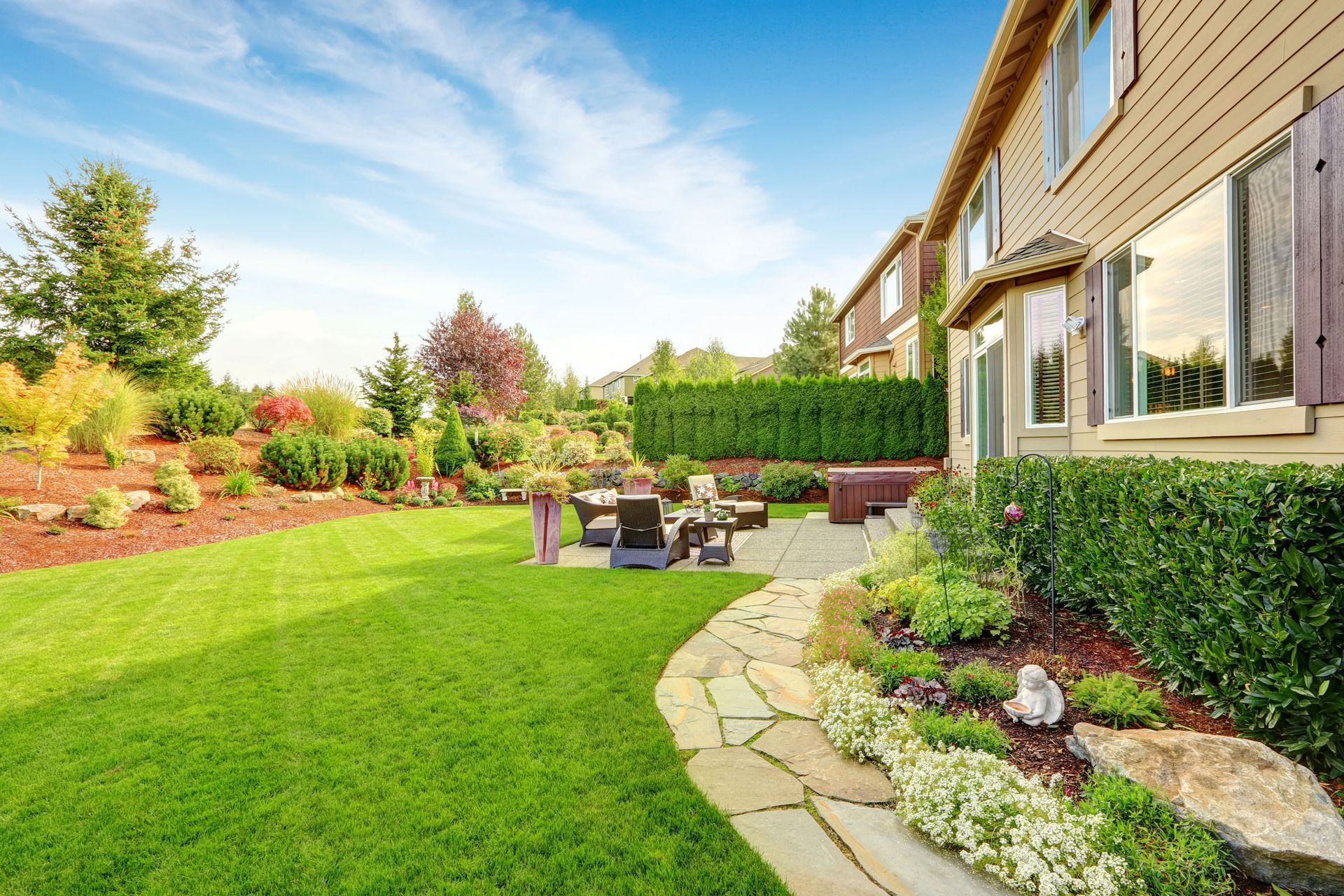
Patios, decks, seating areas, and outdoor kitchens are increasingly used as extensions of the home's living space. Lighting these areas can help establish comfortable zones for entertaining and evening activities while making transitions between spaces easier to navigate. Fixtures can be integrated around seating areas, nearby structures, and surrounding plantings to create a layered effect. According to Grand View Research, the global landscape lighting market was valued at USD 13.20 billion in 2024 and is projected to reach USD 22.01 billion by 2030, reflecting continued interest in outdoor lighting solutions.
Outdoor living areas benefit from lighting that serves several purposes at once. Illumination can define where seating begins and ends, highlight architectural details, and make transitions toward nearby pathways easier to see. Softer lighting around entertaining spaces can also create a more comfortable atmosphere than relying on a single bright source. A coordinated design allows the area to remain functional while still feeling connected to the surrounding landscape.
Emphasize Water Features
Pools, ponds, fountains, waterfalls, and other water features can become dramatic focal points when illuminated thoughtfully. Light reflecting across moving water can add depth and visual interest, while targeted illumination can reveal surrounding stonework and plantings. The goal is usually to complement the feature rather than overwhelm it with excessive brightness. Professional placement can account for viewing angles, reflections, surrounding surfaces, and the overall composition of the property.
Water features can also contribute movement to an evening landscape because reflections change as water moves. Strategic illumination can highlight those changes while keeping the surrounding area visually balanced. Pool areas may require particular attention to placement and glare so that the lighting enhances the environment without becoming uncomfortable for people nearby. When handled carefully, illuminated water can become one of the property's most memorable nighttime features.
Frame Driveways and Entry Points
Driveways and entry points deserve attention because they establish the property's arrival experience. Appropriate lighting can define edges, identify changes in elevation, and make vehicle and pedestrian movement easier to navigate after dark. Illumination can also draw attention toward the home's entrance without flooding the entire front yard with light. A coordinated approach to driveways, gates, and entry paths can make the exterior feel more organized and welcoming.
Entry lighting can also help create a natural transition from public-facing areas into more private portions of the property. Fixtures positioned near gates, walkways, and architectural elements can establish visual direction without creating unnecessary brightness. This is particularly useful for larger properties where the front entrance may not be immediately visible from the street. Careful placement can make the entire approach feel intentional and connected.
Strengthen Steps and Elevation Changes
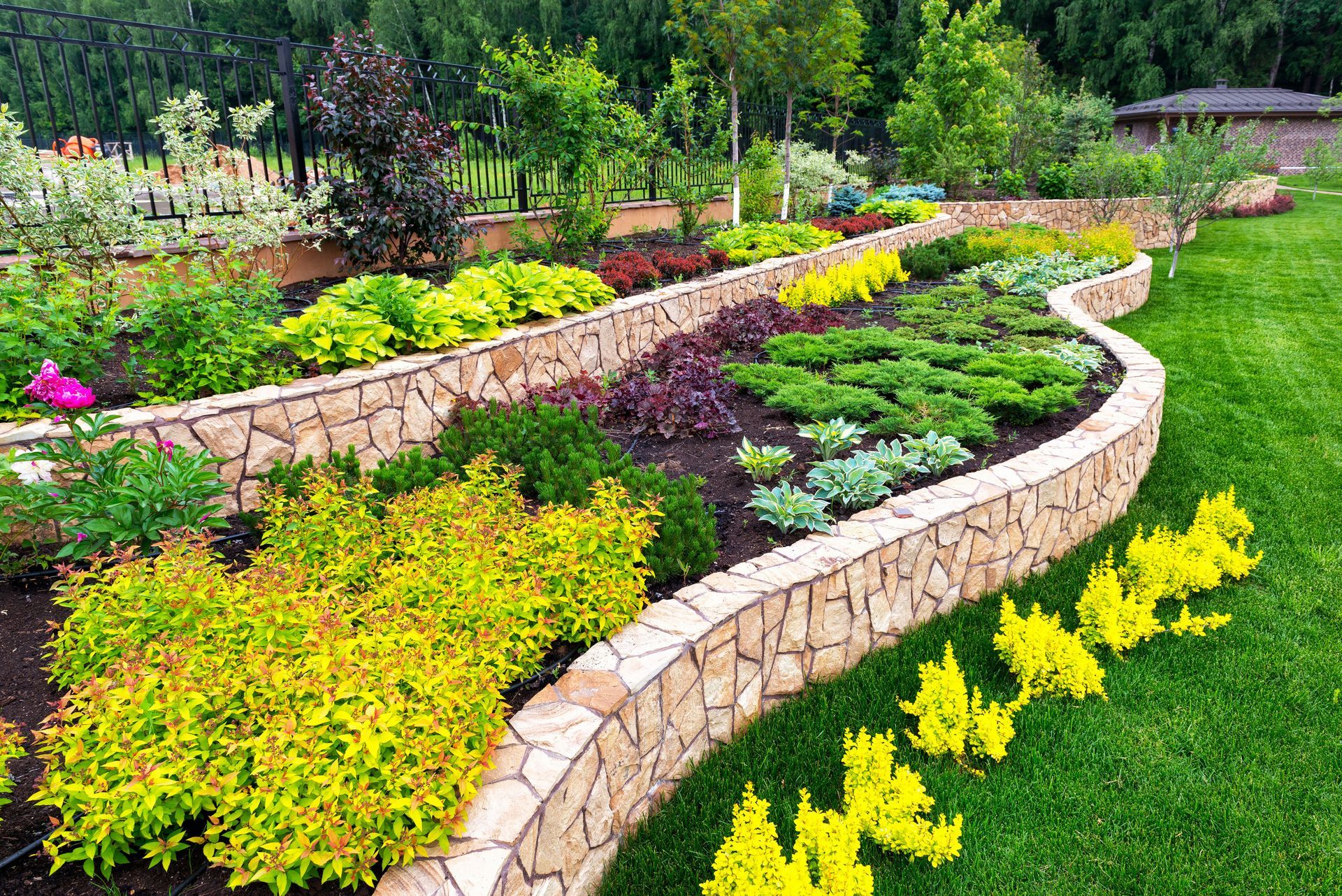
Steps, slopes, retaining walls, and changes in grade can become difficult to see at night without appropriate illumination. Lighting these areas can improve visibility while also emphasizing the property's different elevations and structural features. Step lights, wall-mounted fixtures, and carefully directed accent lights can provide useful illumination without creating excessive glare. Placement should account for how people move through the space so that important transitions remain visually clear.
Elevation changes can also become attractive design features when illuminated correctly. Retaining walls may provide surfaces for subtle light and shadow, while stairways can gain definition from fixtures positioned to illuminate each transition. The objective is to make changes in grade easy to recognize without turning them into overly bright focal points. A balanced design can therefore combine practical visibility with visual interest.
Showcase Garden Focal Points
Garden focal points such as sculptures, specimen plants, seating features, and decorative structures can anchor an outdoor design. Selective illumination helps these elements remain visible after sunset and can give the garden a stronger sense of composition. Not every feature needs to be illuminated, because contrast between light and shadow can make the highlighted elements more distinctive. A professional design can identify the features that contribute most to the property's nighttime appearance and establish an appropriate hierarchy.
Focal-point lighting works particularly well when the surrounding areas remain somewhat darker. This contrast gives the eye a clear place to rest and prevents the garden from appearing flat. Decorative structures, mature plants, and other significant features can each receive different levels of emphasis depending on their size and position. The resulting composition can make the outdoor space feel intentional even when viewed from inside the home.
At Greenview Irrigation & Lawn Maintenance, LLC, we understand how thoughtful outdoor illumination can complement landscaping, architecture, pathways, and outdoor living areas. Our team can help evaluate your property and develop a lighting plan that emphasizes its most important features while supporting visibility and nighttime enjoyment. We focus on creating cohesive exterior spaces where each illuminated element contributes to the overall design. Contact Greenview Irrigation & Lawn Maintenance, LLC to discuss your property's lighting needs and discover how professional
landscape lighting can make your outdoor spaces more inviting after dark.



Share On: